

Guest authors Rick Giovannelli & Ryan Breen
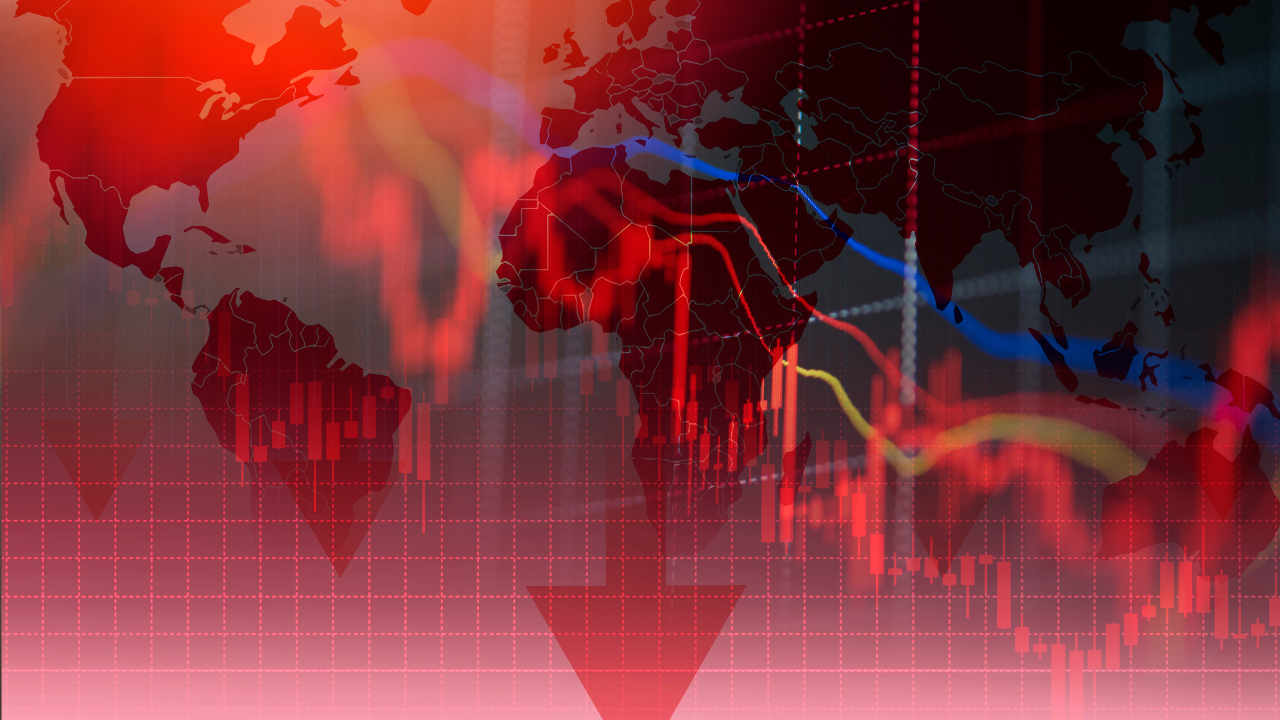
The global economy is in a strange place. Uncertainty abounds and uncertainty hampers investment. The turbulence related to the Iran conflict, the Trump administration’s tariff agenda, as well as the rise of AI and questions it has raised about the future of business has led to the IMF to reduce its forecast for global growth. At the same time equity markets are up in the U.S. and other key global markets and mega-deals are getting done.
If we look a bit more closely at the M&A market, there are trends we can identify that can be helpful to get a sense of what the rest of 2026 and beyond might look like.
At the top of the economy we still see what JP Morgan described in its report on the 2025 M&A market as an “era of mega deals.” Last year saw a record high of $1.5 trillion in deals valued at over $10 billion across 71 transactions. The report cites a regulatory environment favorable to such deals as a big factor. Also apparent is that whether it is the Paramount deal for Warner Brothers or the one for Tik Tok corporations would rather pay a premium on a known commodity than take a risk.
The Paramount deal is good example of the impact that AI is already having on the market. It is generally accepted that Paramount is paying a premium for Warner Brothers Studios with the expectation that they will achieve significant cost savings through AI.
Calculating the impact of AI is challenging and that is slowing deal flow. For instance, when a private equity firm buys a business they typically look to do cost cut-outs. But AI is disrupting that because no one can yet accurately say how this new technology will impact the workforce.
Until recently SAAS was an attractive sector for deal activity, but it too has been wildly disrupted by the specter of AI. Now companies that had previously been able to easily raise money by proudly describing themselves as a SAAS business are suddenly trying to reimagine themselves to prove they are not one.
While AI hangs over the deal environment and creates uncertainty in the long-term, nothing has created more short-term uncertainty than the Iran conflict. In many ways we have only seen the tip of the iceberg in terms of the disruption this conflict has created, even if the ceasefire holds and the Straits of Hormuz are fully opened. The impact of the Straits closure on economies in Asia as well as on Australia and New Zealand has not yet been truly felt as ships miss arrivals and supplies dwindle. Similarly, the impact of reduced amount of fertilizer will be felt in the northern hemisphere in the coming months as prices increase to reflect scarcity.
The market has been pricing in a reduction of interest rates but there is talk that the Federal Reserve might have to actually increase rates to combat a renewal of inflation related to the Iran conflict. Such a raise in interest rates will damage investor sentiment and make the financing of deals more challenging.
The disruption of the Iran conflict could potentially shift momentum back to green technologies. The reliance of the global economy on oil and gas has never been more evident and there is talk of revisiting investment in this sector, which the current U.S. administration has curtailed. Similarly to how the near-shoring trend started during the Covid-19 pandemic, when businesses realized how dangerously exposed their global supply chains were, we wonder whether the realization of exactly how vulnerable businesses are to this type of disruption might catalyze investment. Equally possible is the Trump administration doubling-down on domestic drilling and mining incentives to flood the market with carbon fuels.
We see a similar potential for the turbulence in the global economy to shift foreign alliances and increase the trend that the Trump administration has started by essentially ending the era of Pax Americana. It seems possible that a developing nation will soon face fiscal ruin related to the current commodity crunch and it’s possible that the Chinese will step in and bailout such a country, similar to how U.S.-led consortiums have done so in the past. Such a move by China would signal bigger changes in the foreign policy landscape.
All of this turbulence is also creating sectors of opportunity. Defense companies are booming with unprecedented U.S. investments in the sector in addition to defense-related applications in the public sector. For instance, sporting venues are being encouraged to invest in drone-related defense technology to proactively manage for the threat of a drone attack on a sporting event in the future. Healthcare remains a compelling sector with an aging U.S., and global, population, with science, helped along by AI, continuing to achieve breakthroughs, even with the reduction in U.S. grants for research, which will be felt further down the line. Fintech companies with compelling AI adjacencies are hot right now and there are opportunities for smart companies to make moves in this sector, which has also been disrupted by cryptocurrencies. And of course any company that can plausibly be called an AI company is having a relatively easier time raising money, especially those with defense applications or with a focus on autonomous vehicles.
A rapidly shifting foreign affairs landscape, an erratic U.S administration, and disruptive technology has made this economy far from business as usual. But so far the world has resisted full-blow economic crisis and intrepid investors can find paths forward amidst the chaos if they can read the signals correctly.
Rick Giovannelli is Co-Chair of K&L Gates and head of the firm’s Corporate Practice. Ryan Breen is a Partner in KPMG’s Audit Practice and the Private Audit Leader for the Mid-Atlantic region.
Join Rick and Ryan at our next webinar on the M&A outlook on May 20th at noon ET.
To find out more, please reach out to info@interforinternational.com
Related Blog
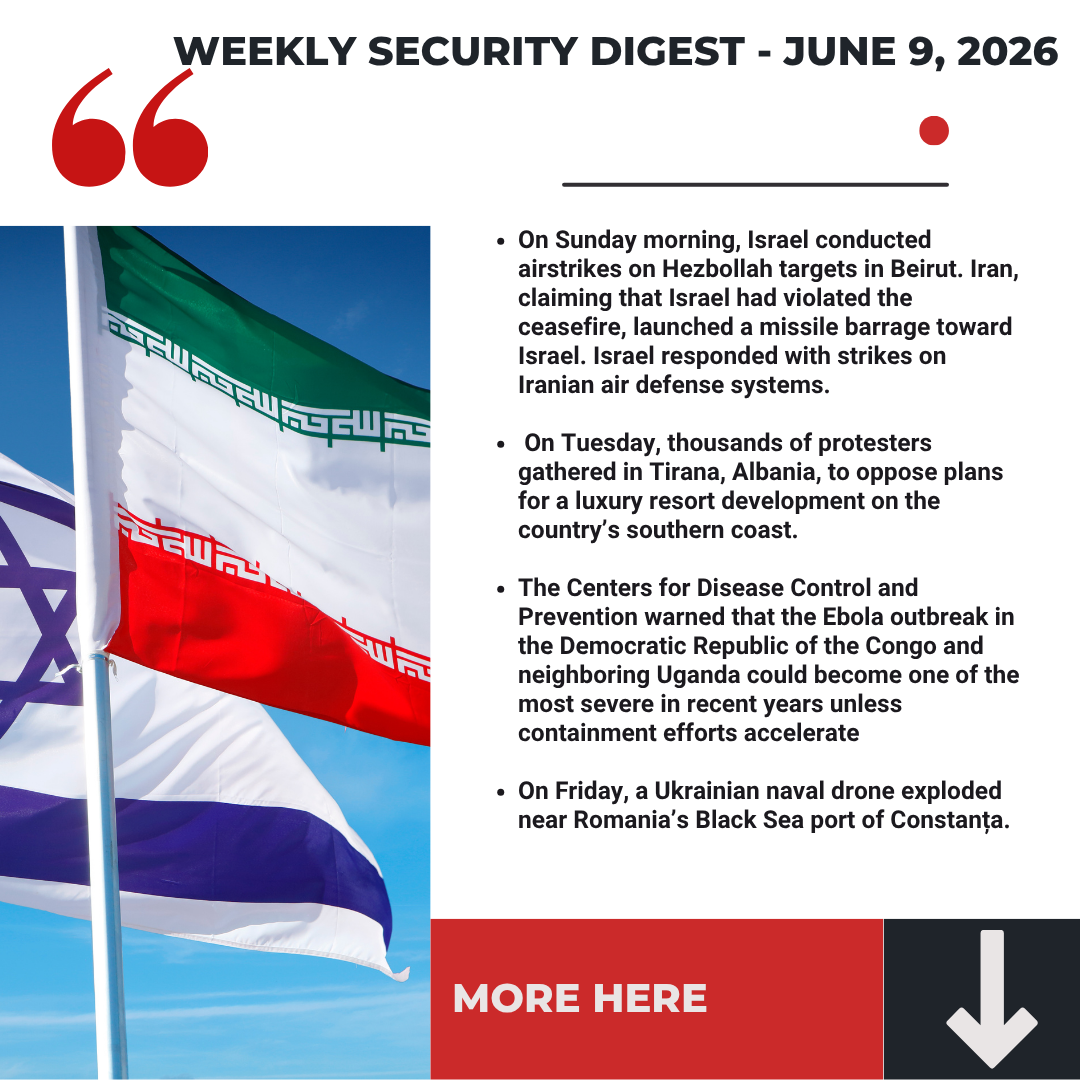
VIEW ALLInterfor International‘s Weekly Security Digest – June 9, 2026
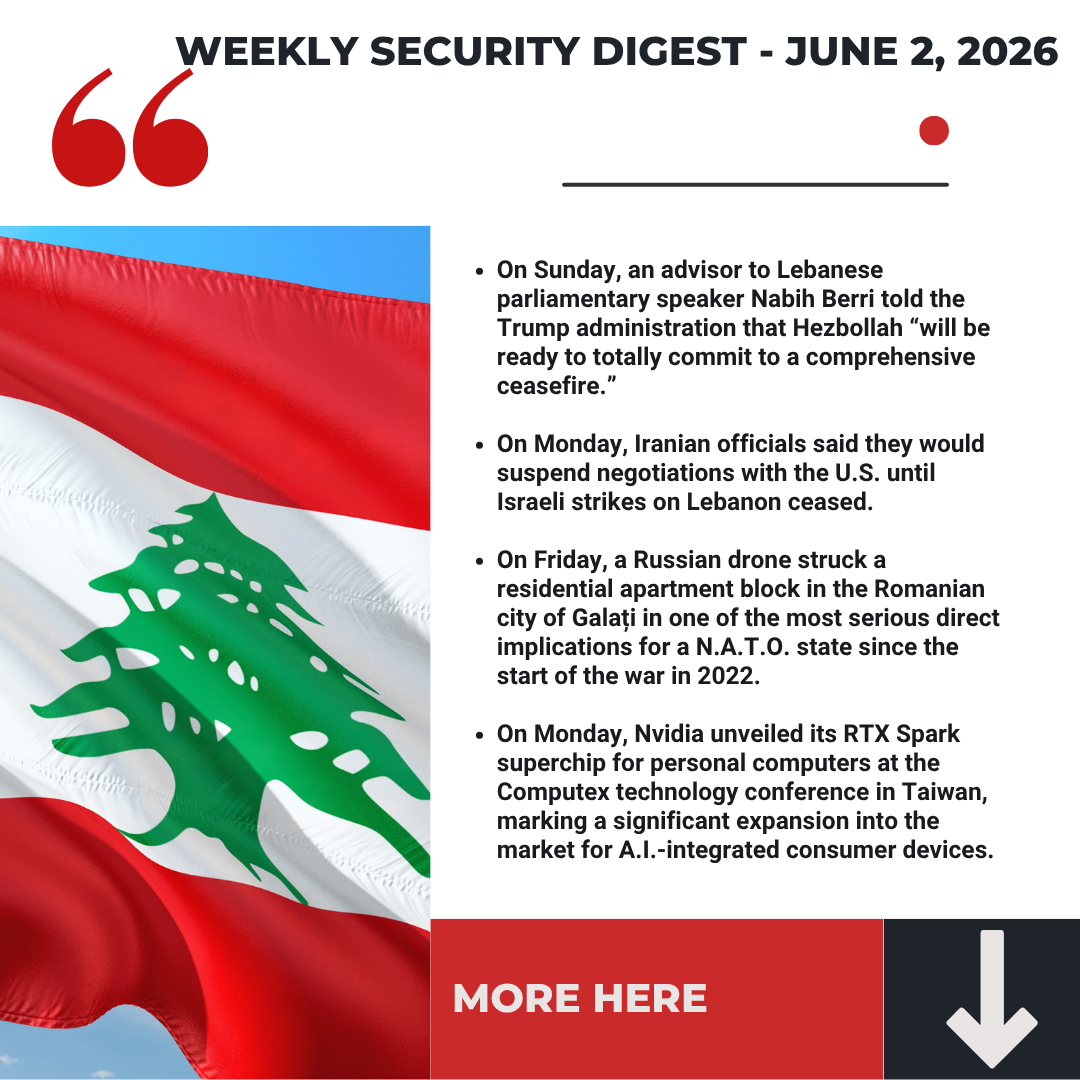
Interfor International‘s Weekly Security Digest – June 2, 2026
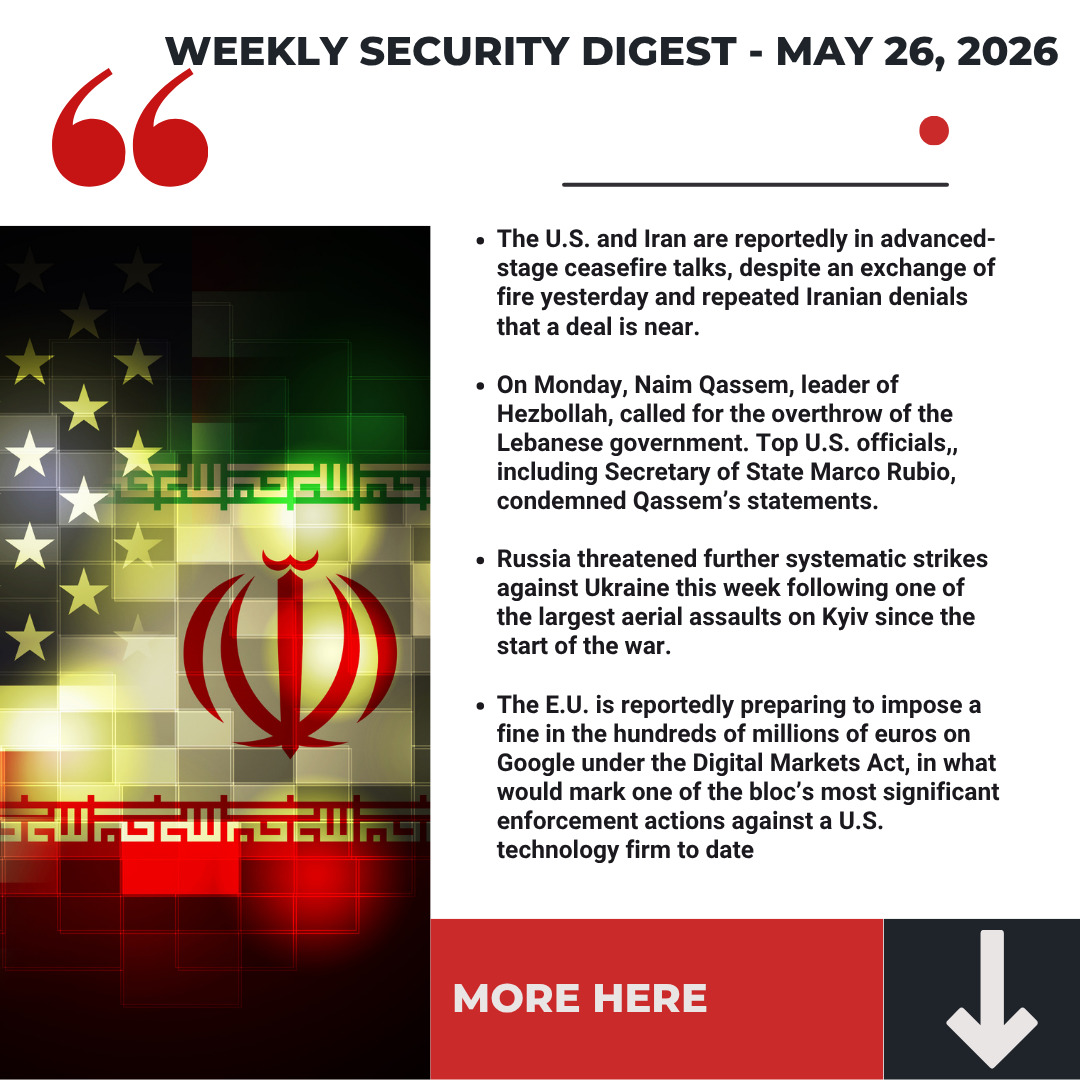
Interfor International‘s Weekly Security Digest – May 26, 2026