

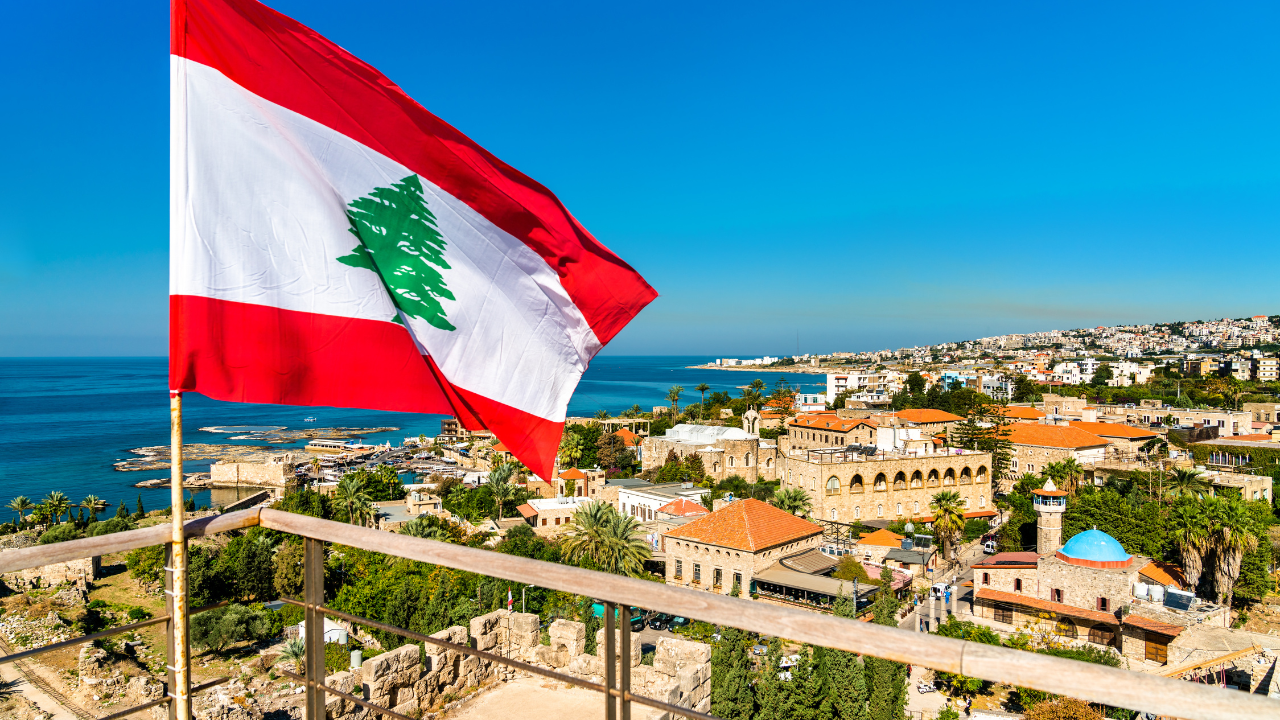
President Trump’s announcement that his administration will allow U.S. airlines to resume direct flights to Lebanon for the first time in more than four decades marks another sign of optimism for a country that has endured years of conflict, political paralysis, and economic crisis. The move follows the recent diplomatic progress between Israel and Lebanon and reflects growing confidence in the Lebanese government’s efforts to reassert state authority.
For companies with employees, operations, or investment opportunities in Lebanon, the announcement is certainly encouraging. Easier commercial access could facilitate business travel, strengthen commercial ties, and support Lebanon’s long-term economic recovery.
But aviation policy should not be confused with a comprehensive security assessment.
While the White House is signaling confidence, every organization has its own risk tolerance, legal obligations, and duty of care to employees. A decision by the U.S. government to permit flights is only one factor in determining whether travel is appropriate. Businesses should continue conducting destination-specific risk assessments that consider the purpose of travel, locations to be visited, local transportation, accommodations, medical support, and emergency evacuation capabilities.
Insurance deserves particular attention. Companies should review their travel, medical evacuation, and political risk policies to confirm they provide adequate coverage in Lebanon. Some insurers maintain exclusions or limitations for travel to higher-risk destinations, and those terms can change quickly as security conditions evolve.
Organizations should also revisit their kidnap and ransom (K&R) preparedness. While Lebanon has a sophisticated business community and many areas of Beirut function normally, kidnapping has historically been a concern during periods of instability. Companies operating in or traveling to the country should ensure that K&R insurance is current, crisis response procedures are up to date, and employees understand travel security protocols before departure.
Security planning should also recognize that Hezbollah remains an important factor in Lebanon’s operating environment. Although the Lebanese government has taken increasingly assertive steps to strengthen state control and limit Hezbollah’s influence, the organization continues to maintain a significant presence in parts of the country, including areas in and around Beirut. That reality creates risks ranging from localized unrest to the potential for rapid escalation should regional tensions increase.
The resumption of direct flights is an important milestone and another indication that Lebanon may be moving in a more positive direction. For corporate security leaders, however, it should serve as the beginning of a conversation—not the end of one. Successful organizations will continue to base travel decisions on comprehensive risk assessments, robust contingency planning, and a clear understanding that conditions in the Middle East can change with little warning.
In today’s environment, the best business decisions are informed not by optimism alone, but by preparation.
To find out more, please reach out to info@interforinternational.com
Related Blog
VIEW ALLInterfor International‘s Weekly Security Digest – September 1, 2026
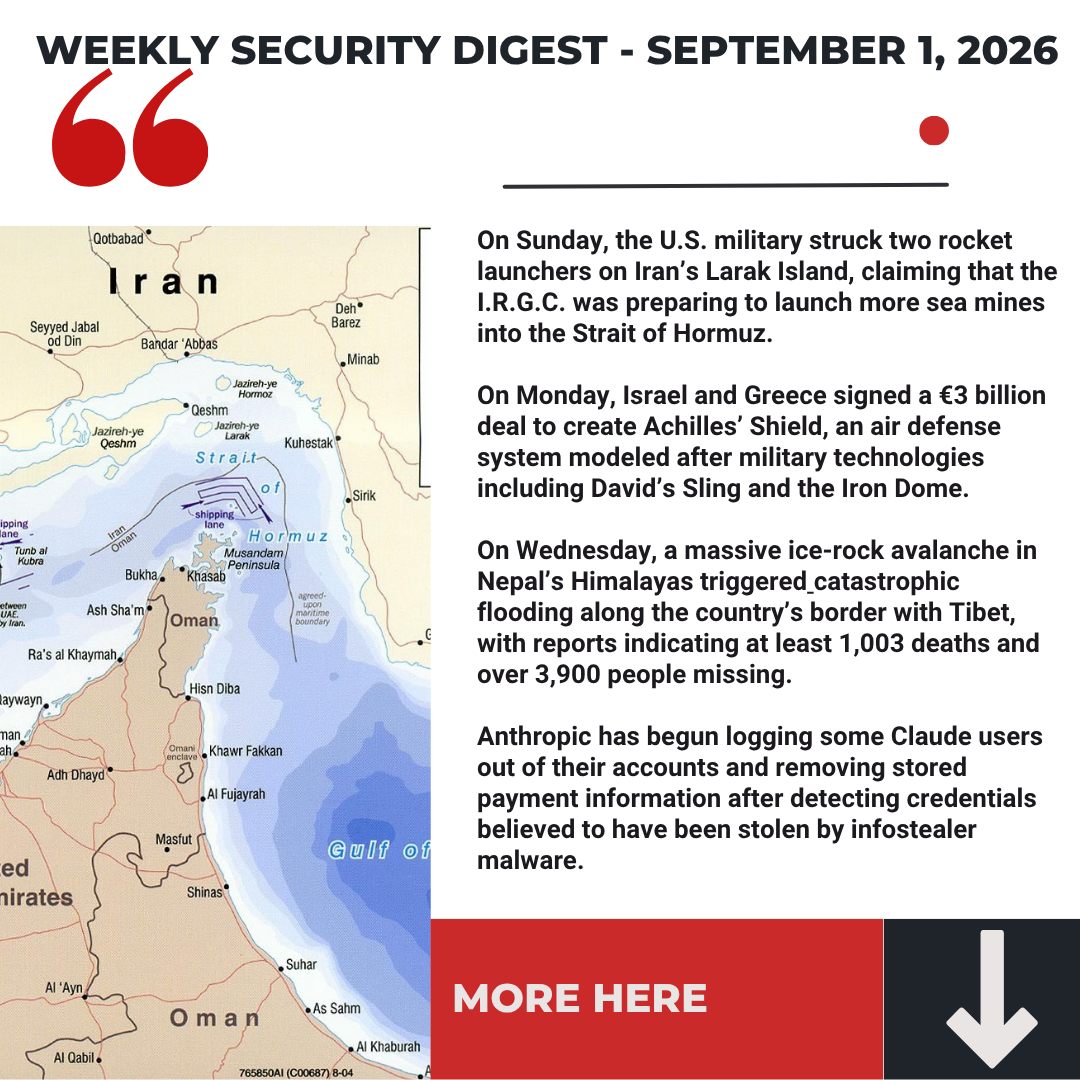
Interfor International‘s Weekly Security Digest – August 25, 2026
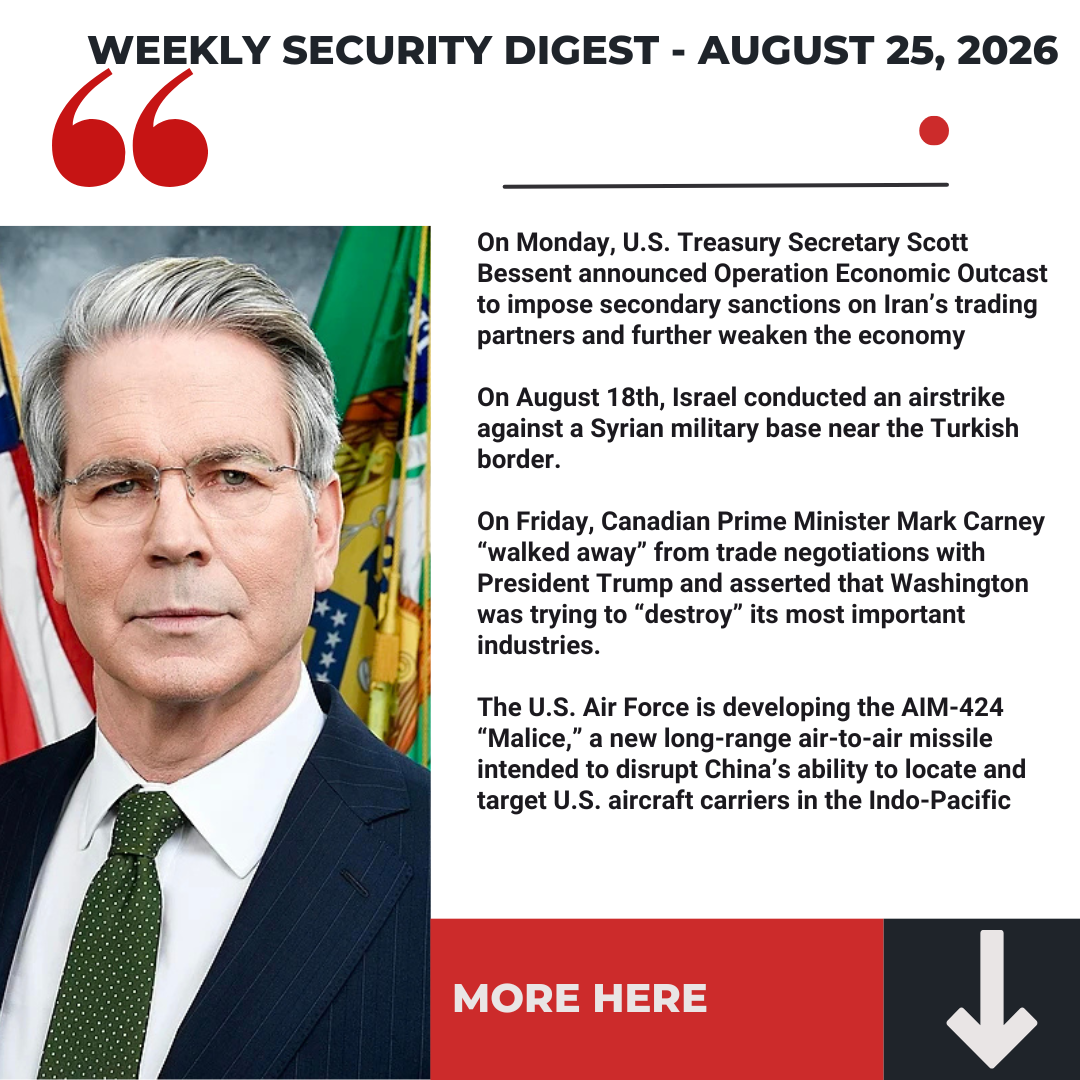
Interfor International‘s Weekly Security Digest – August 18, 2026