

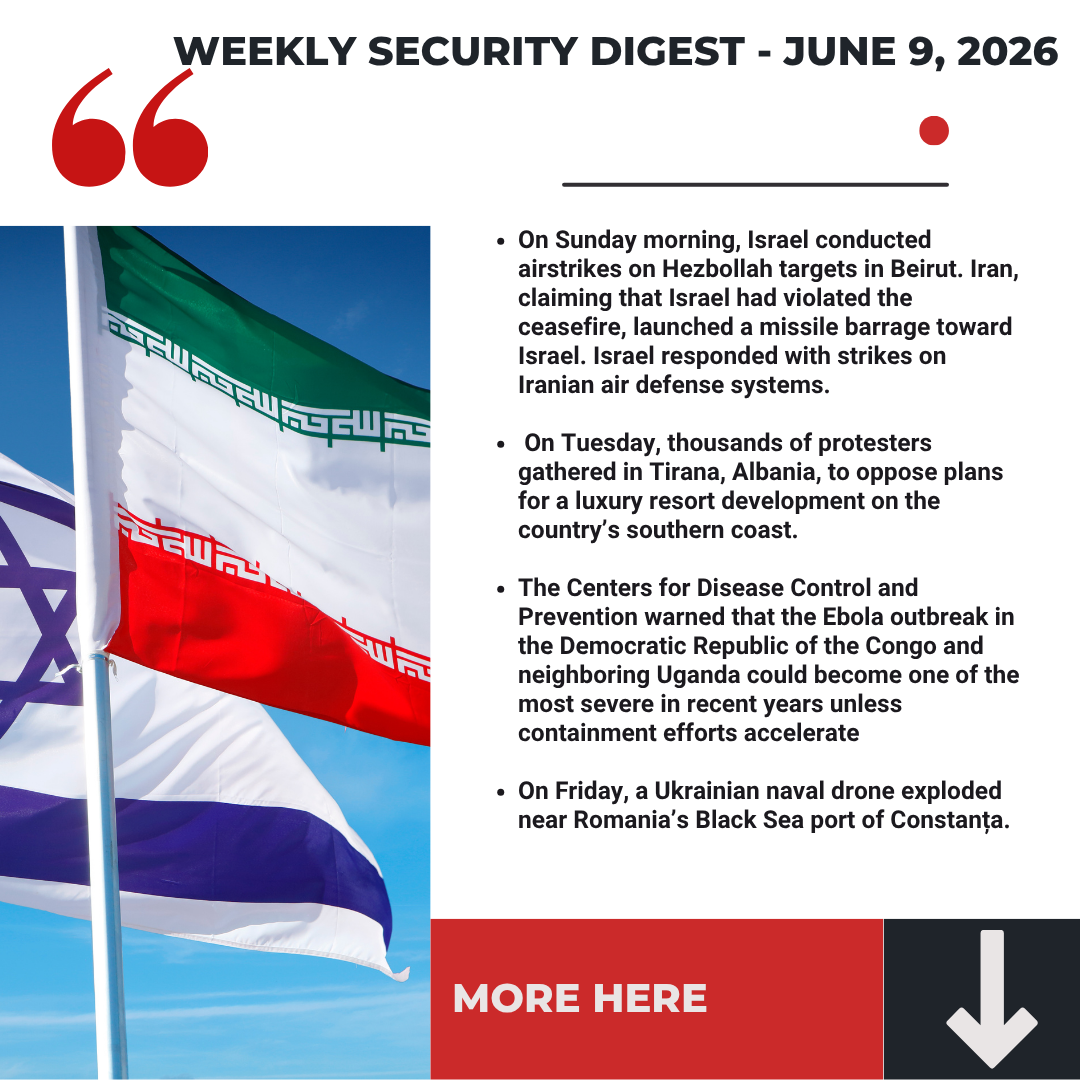
| Middle East On Sunday morning, Israel conducted airstrikes on Hezbollah targets in Beirut. Iran, claiming that Israel had violated the ceasefire, launched a missile barrage toward Israel. Israel responded with strikes on Iranian air defense systems and other infrastructure used for weapons manufacturing. President Trump reportedly told Prime Minister Netanyahu to stand down to prevent the ceasefire negotiations from being derailed. As of Monday afternoon, Israel and Iran have agreed to halt strikes for the time being. Still committed to the prospect of a ceasefire, Trump claimed a deal could be achieved within “two or three days.” Whether or not progress is truly being made toward a diplomatic agreement is unclear; in the meantime, Iran is trying to shape how the dust settles. Iran is increasingly willing to use force to reassert deterrence and maintain the upper hand in negotiations. The longer the current stage of conflict goes on, the Islamic Republic loses cash due to the blockade and leverage, as the world increasingly adapts to the Strait of Hormuz being closed. By occasionally firing missiles and drones, Iran can shake global markets and impress on Trump the urgency of a final ceasefire. The Islamic Republic has also successfully linked the Israel-Hezbollah conflict to the broader ceasefire, to Israel’s chagrin. Netanyahu had previously been able to get a special allowance from Trump to continue targeting Hezbollah, despite whatever deal was on the table with Iran. By reining in Netanyahu, Trump effectively heeded Iranian pressure to cool Israeli operations against Hezbollah in order to keep the U.S.-Iran negotiations on track. This most recent exchange of fire with Israel also allowed Iran to successfully exploit growing differences between Trump, who prefers a deal, and Netanyahu, who does not. Trump successfully preventing Netanyahu from taking more severe action against Iran could go down as a pivotal moment in the history of U.S.-Israel relations. It also again demonstrated to Iran how reluctant Trump is to see the war resume, which reduces U.S. leverage in negotiations. International Affairs → On Tuesday, thousands of protesters gathered in Tirana, Albania, to oppose plans for a luxury resort development on the country’s southern coast. Jared Kushner’s investment firm, Affinity Partners, is leading the project. Demonstrators argued that the project, which includes the redevelopment of Sazan Island and surrounding coastal areas, threatens protected ecosystems and prioritizes foreign investment over local interests. Despite protests, Prime Minister Edi Rama continues to promote large-scale foreign investment projects. Organizers have pledged to continue and expand demonstrations in the coming weeks. → On Thursday, the Centers for Disease Control and Prevention (C.D.C.) warned that the Ebola outbreak in the Democratic Republic of the Congo and neighboring Uganda could become one of the most severe in recent years unless containment efforts accelerate. Agency officials added that the outbreak is expanding in conditions similar to previous large-scale Ebola crises. They cited ongoing armed conflict, population displacement, limited healthcare access, and challenges in tracing infections as factors that continue to accelerate transmission and prolong regional health emergencies. → On Friday, a Ukrainian naval drone exploded near Romania’s Black Sea port of Constanța. Ukraine accused Russia of using electronic warfare technology to interfere with the drone’s navigation. The incident occurred alongside a broader Ukrainian operation targeting maritime logistics in Russian-occupied territories, during which Kyiv claimed to have struck five vessels in the Sea of Azov allegedly involved in transporting stolen Ukrainian grain, military cargo, and fuel. → On Sunday, South African President Cyril Ramaphosa pledged to implement stronger immigration enforcement measures and warned against vigilantism and anti-immigrant violence. The remarks followed a surge in anti-immigrant protests across the country and reports of xenophobic attacks. Such attacks have led other African leaders to caution their citizens against travel to South Africa. Ramaphosa noted that government efforts depended on the availability of public services but emphasized that only state authorities have the right to enforce immigration laws. → On Monday, Chinese President Xi Jinping met North Korean leader Kim Jong Un in Pyongyang, reaffirming the strategic partnership between the two countries. The visit, Xi’s first to North Korea in several years, highlights Beijing’s efforts to maintain influence over its isolated neighbor while reinforcing bilateral political, economic, and security ties. Both leaders emphasized opposition to what they described as external interference and pledged closer cooperation, as North Korea continues to deepen military collaboration with Russia and expand its weapons programs. → Marjane Satrapi, the French-Iranian graphic novelist, filmmaker, and author of the internationally acclaimed memoir Persepolis, died in Paris at the age of 56. Satrapi gained global recognition for her depiction of life during and after Iran’s 1979 Islamic Revolution, offering Western audiences a nuanced portrayal of Iranian society while becoming a prominent advocate for women’s rights and freedom of expression. French political leaders and cultural figures paid tribute to Satrapi, whose work helped shape international perceptions of Iran and established her as one of the most influential cultural voices of the Iranian diaspora. |
A Note From Interfor
→ Don Aviv and Jeremy Hurewitz on Pakistan’s involvement in the Iran war for The Hill.
→ Don Aviv and Sabrina Tan on the increasing threat of cyber attacks in Time Magazine.
| Resources: US Department of State Travel Advisories CISA: nation-state cybersecurity threats and other resources for cybersecurity matters. |
To find out more, please reach out to info@interforinternational.com
Related Blog
VIEW ALL
Geopolitics. Global Security, & Current Events
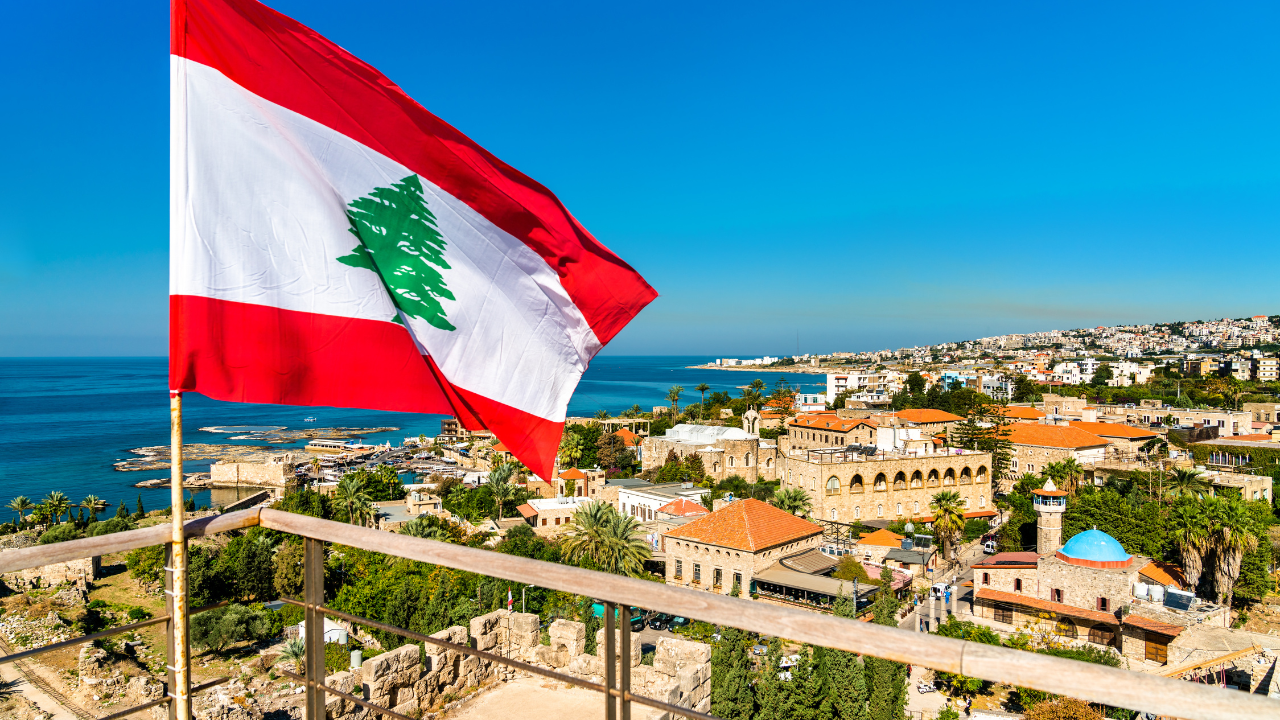
Direct Flights to Lebanon: A Welcome Development, But Not a Green Light for Business Travel
Geopolitics. Global Security, & Current Events
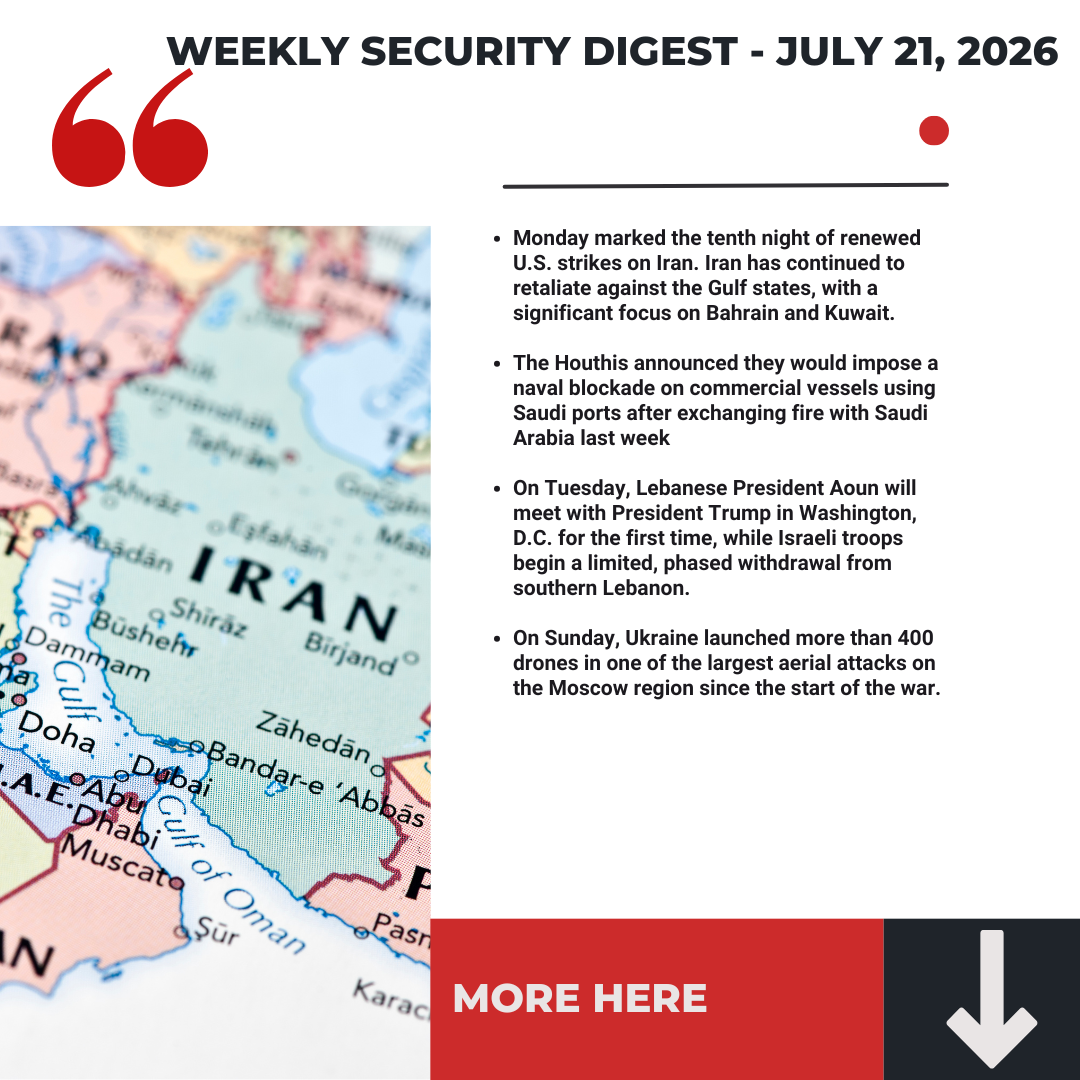
Interfor International‘s Weekly Security Digest – July 21, 2026
Geopolitics. Global Security, & Current Events
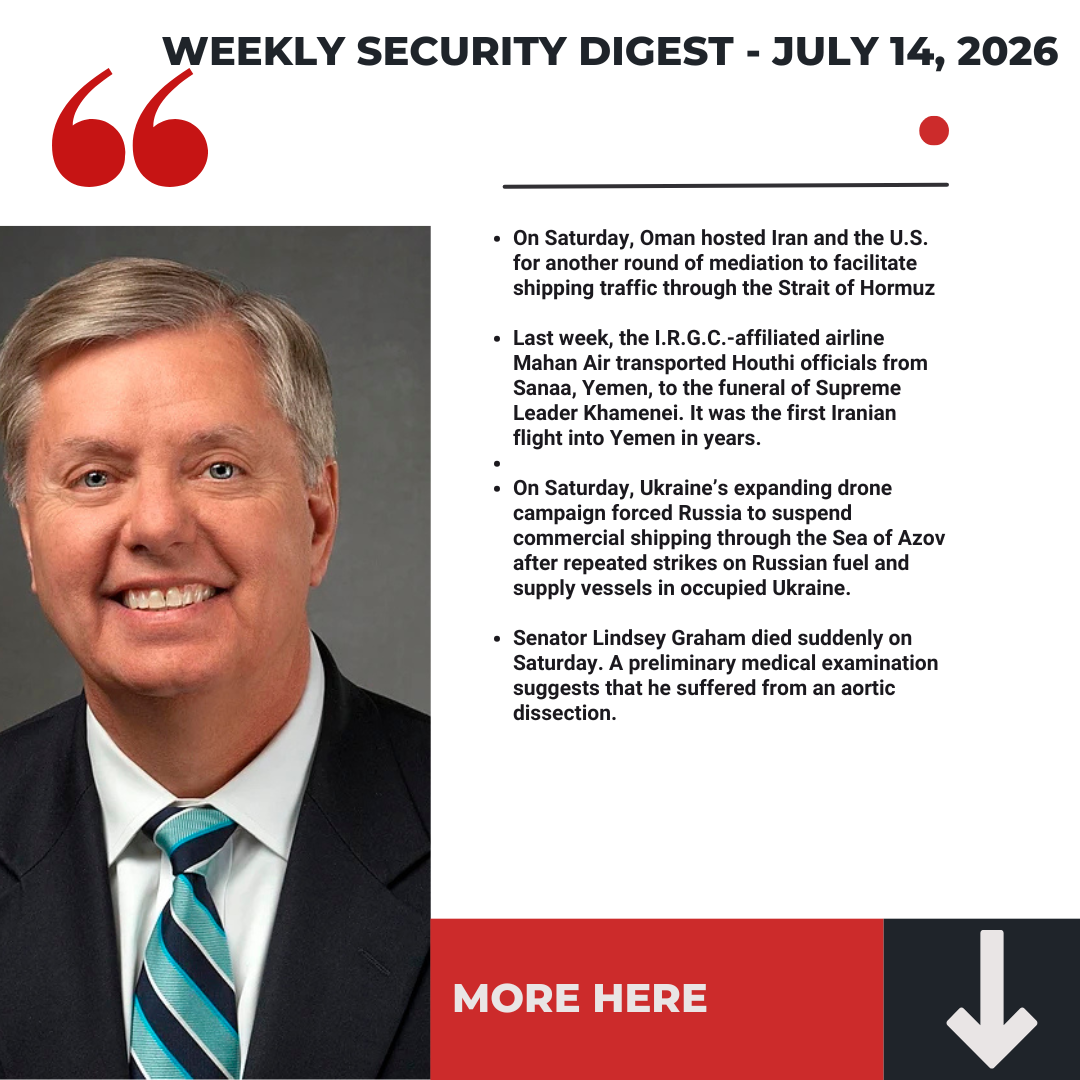
Interfor International‘s Weekly Security Digest – July 14, 2026