


Most people using social media aren’t thinking about risk management. Scrolling through Instagram, Facebook, or any other social media platform is a regular part of so many of our lives. We keep in touch with our friends and family, stay informed about the latest news updates, and get color about the lives of our celebrities, among other things. We don’t treat the danger that lurks on these platforms to our lives and our reputations with anything close to the same wariness we might regard a dark alley that we’re considering walking through.
But it’s not a stretch to say that spending time on social media these days can be like walking down a dark alley – there might be things lurking there that can harm you.
Dangers lurk on social media and the fallout to these dangers can be swift and devastating. In this current era of ideological divisiveness, it is easy to see a post and become triggered. People get cancelled every day, jobs are lost, and reputations are destroyed. Often all because of one intemperate social media post.
Interfor Academy expert Shannon Wilkinson knows this sorry story well. The CEO of Reputation Communications, Shannon works with clients, in part, to repair damaged reputations, often as a result of an ill-advised post on social media.
Sometimes behavior on social media doesn’t take the form of a post that the individual might even consider would be offensive. For instance, Cea Weaver, who was appointed at the beginning of 2026 as the director of the New York City Mayor’s Office to Protect Tenants, has been pilloried in the press for controversial statements she made online about race, economics, and housing. At the time, Ms. Weaver might not have worried about how sharing her views might impact her future and not felt the need to temper her remarks. The media whirlwind around these remarks and hypocrisy and racism they have exposed have surely provided a lesson in unintended consequences.
In the last few years groups have formed in places like X that seek to shine a light on posts that are deemed racist, antisemitic, sexist, or otherwise deeply offensive to a certain group. The U.S.-based organization, Stop Antisemitism, has an X channel that highlights antisemitic posts. It frequently requests the help of followers to identify the individual or, if that person has been identified, to flood their employer’s communication channels with complaints about that individual. Their X channel is full of examples of individuals losing their jobs or facing other negative educational or social outcomes as a result of their post or posts.
While there are plenty of examples of these online vigilante groups, many times the fallout is more nuanced.
Shannon points out that there are a huge number of examples of people simply not getting hired, of not being accepted to a school or to join a certain club as organizations become savvier about using technological tools to evaluate the social media history of an individual who seek to join them. You might not wind up embarrassed publicly by your social media post, but it could haunt in ways you might not even know.
In our work at Interfor International, threat monitoring is one of the cornerstones of how we keep our clients safe. Our analysts utilize decades of experience along with cutting edge technological tools to gauge negative sentiment and keep up with posts about our clients. We have frequently seen action taken against individuals posting inflammatory and violent rhetoric, with those consequences including law enforcement actions.
Our work on reputational due diligence sometimes unearths concerning social media behavior leading to investment opportunities that are passed on, jobs offers rescinded or never made, or a legal case supported by the evidence we unearth.
Shannon frequently serves as an expert witness in defamation cases. Defamation is defined as a false statement presented as fact that causes harm to a person’s or organization’s reputation. If you’ve opened up social media in recent years you wouldn’t be wrong to wonder if these online channels feel like defamation factories. It really comes down to whether a particular individual or organization is impacted enough by a post and is willing to take action. But Shannon notes that sadly people often have no grasp of the risk they are taking by posting harsh attacks.
Even scarier for our online futures is the proliferation of AI and the way it is enabling deep fakes. We are only scratching the surface about how such actions will impact defamation law and the more subtle aspects of reputation management we have highlighted.
Shannon notes that “people post too quickly, and they let emotion drive them. It would be helpful if people ask themselves if posting something harsh is the most effective way to use your political capital.”
While Shannon does essential work for people looking to reclaim or reboot their reputation, you are best served by not needing her to help you dig out of a hole. You also don’t want to be in a courtroom where she is giving testimony about how your post defamed the plaintiff.
As with all emotional situations, time is your friend. Instead of posting emotionally on social media, take a short break and some deep breaths. Ask yourself if such a post will serve you well and whether it could come back to haunt you. When it comes to social media, sometimes the best way to protect yourself is to simply do nothing.
To find out more, please reach out to info@interforinternational.com
Related Blog
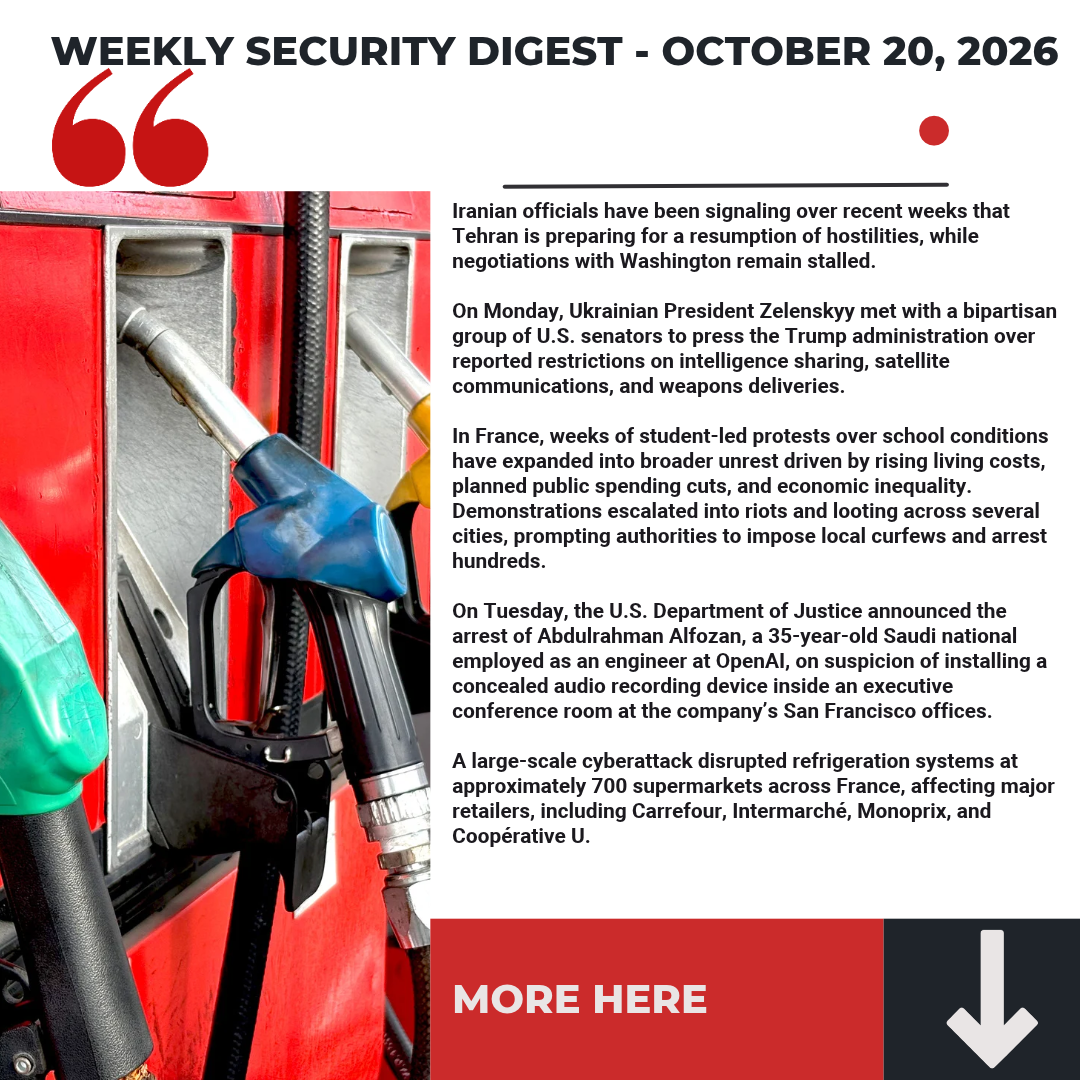
VIEW ALLInterfor International‘s Weekly Security Digest – October 20, 2026
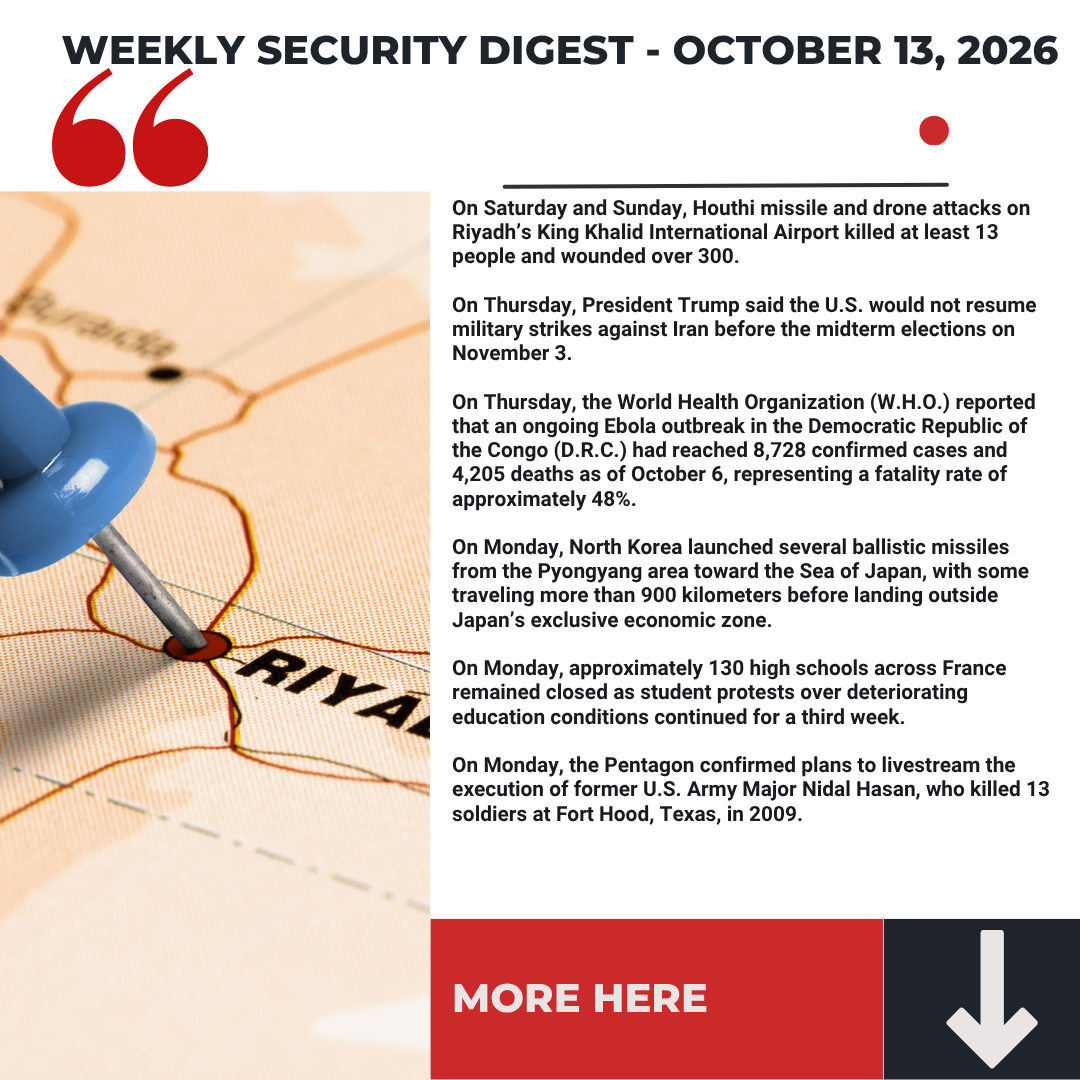
Interfor International‘s Weekly Security Digest – October 13, 2026
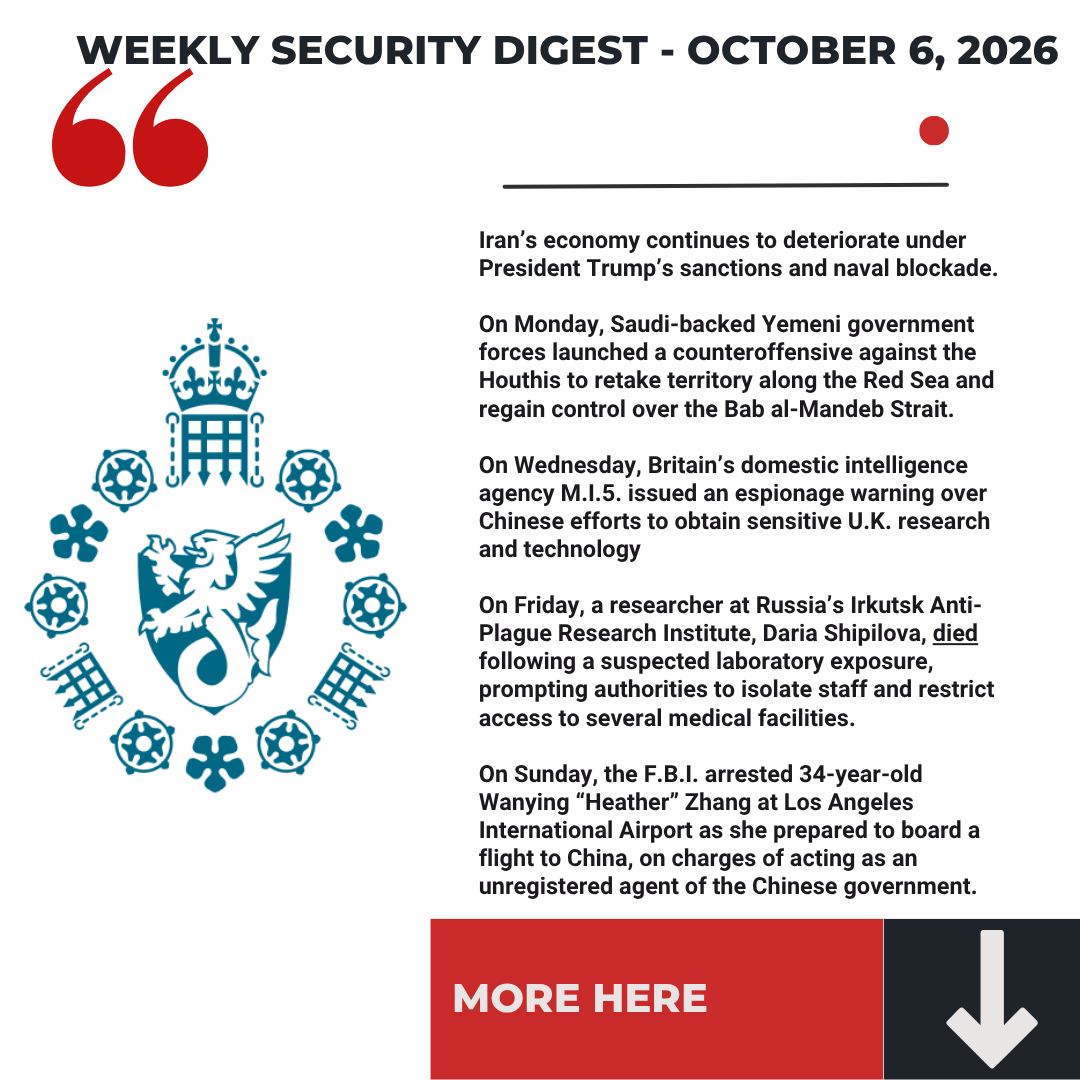
Interfor International‘s Weekly Security Digest – October 6, 2026